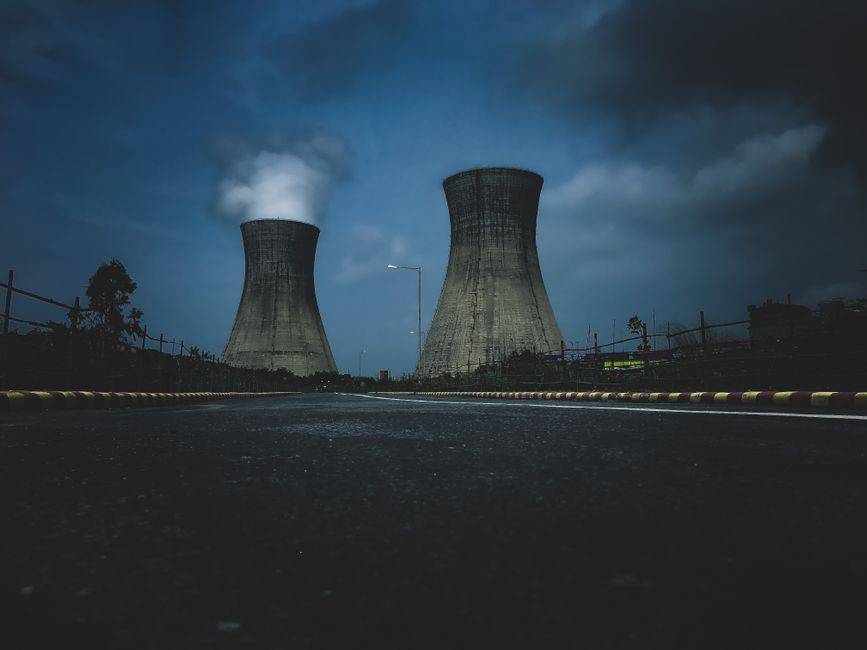
xAI wanted the NAACP’s Clean Air Act lawsuit thrown out before anyone looked closely at its power setup. US District Judge Debra M. Brown said no. The case over the gas turbines feeding the Colossus data center outside Memphis will now go forward.
The Southern Environmental Law Center, suing on the NAACP’s behalf, says xAI installed and ran at least 35 combustion turbines and other pollution sources without getting either the preconstruction or the operating air permits the law requires. The company, which Engadget notes now goes by SpaceXSI under SpaceX ownership, did not mainly argue that it had the permits. It argued that it didn’t need them.
The wheels defense
xAI’s core claim was that the turbines are “mobile sources” and therefore exempt from permitting. Judge Brown found they are not mobile under Mississippi’s State Implementation Plan. As Engadget puts it, the power plant supplying the data center isn’t going anywhere, so the exemption doesn’t apply.
This was never a strong argument. A turbine that sits at a fixed site and powers a fixed building is mobile only in the sense that someone could, in theory, put it on a truck. Arguments like this exist to buy time, and time is what xAI has been spending all along. Engadget reports the company kept adding gas turbines at a second site in nearby Southaven, Mississippi while this suit was pending.
Going after the right to sue
The more aggressive move was constitutional. xAI argued that the Clean Air Act’s citizen suit provision violates Article II and the private nondelegation doctrine, essentially saying private groups have no business enforcing federal pollution law. If that had worked, it would have reached far beyond Memphis.
Brown disposed of it in a sentence: citizen plaintiffs “sue on their own behalf, in their own name, and seek penalties that redress harm to themselves,” so they aren’t exercising federal executive power. She also found the plaintiffs have standing.
The Justice Department had backed xAI, arguing the company’s operations matter to US military work. Its own motion to dismiss was denied earlier this month. So the federal government tried to make this case go away, and a federal judge refused twice.
Why this matters if you only care about models
xAI’s reputation in the model race rests heavily on how fast it stood up Colossus. Some of that speed came from skipping the permitting step for its on-site power. That is a real competitive edge, and I think it’s an illegitimate one. Other labs face the same power crunch and the same slow utility interconnects. Running turbines without permits isn’t clever engineering. It pushes the cost of your training run onto the people who live downwind.
If this suit succeeds on the merits, the cost of that shortcut finally appears on xAI’s books. Every lab planning a new cluster will take note, especially with the political ground moving. New York has passed a moratorium on new data centers. Amazon and Microsoft say they’ve stopped using NDAs in deals with government agencies. Reuters reports data center backlash could matter in the upcoming midterms.
None of that changes a benchmark score next quarter. It does change how quickly anyone can bring the next large cluster online.
The ruling doesn’t order a single turbine shut off. It only means xAI has to defend them on the merits. The Southaven site is still adding capacity, and whether xAI files for permits there before the next turbines arrive is the next thing to watch.