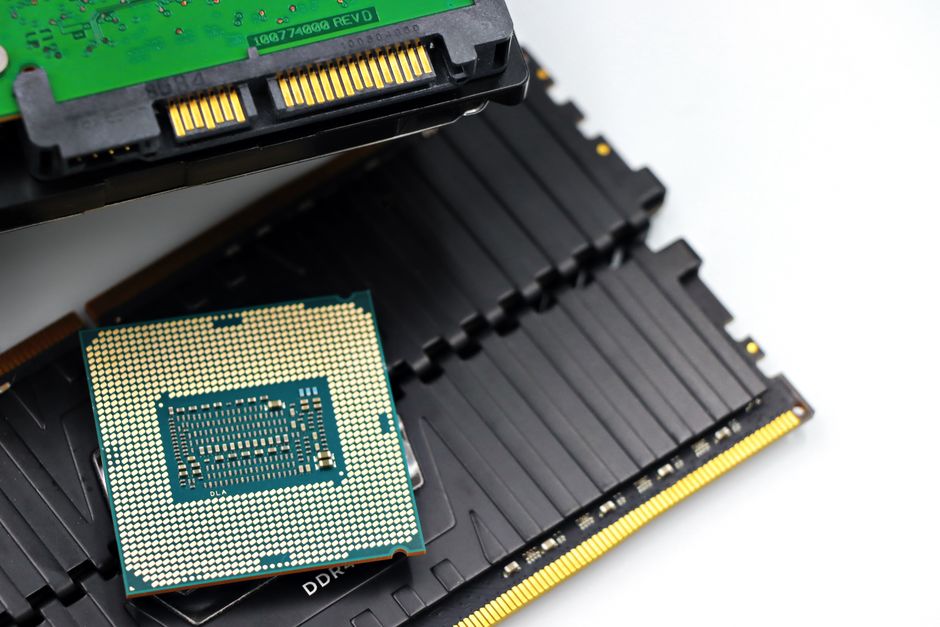
Sam Altman went on the Cheeky Pint podcast and said the quiet part about the memory shortage. Asked about supply constraints, he took aim at people who want to run AI locally:
“From a global allocation perspective, actually, it’s quite terrible to have everybody have a bunch of the world’s limited supply of DRAM sitting in their own computer and being used five percent of the time.”
His fix is maximum utilization in the cloud. He also said many people’s intuition runs “the opposite of that.” My intuition does, and I think it’s the correct one.
The speaker is the shortage
Consider who’s talking. Samsung and SK Hynix have long-term deals with cloud operators and projects like OpenAI’s Stargate, and those deals reserve much of the world’s RAM output for the next few years. Samsung expects the shortage to last until at least 2028. SK Hynix says through 2030. Meanwhile consumers pay for it: phone prices are climbing, and Apple has raised student pricing on the MacBook Neo again.
So one of the largest buyers in a squeezed market is explaining that the remaining buyers are using memory inefficiently. That’s a procurement argument, and it happens to make OpenAI’s position look like a public service.
Utilization is the wrong yardstick
The five percent figure is probably fair. Most PCs sit idle most of the day. But by that logic you should also sell your car and your kitchen, because a shared fleet and a restaurant run at higher utilization. People own things for reasons a data center can’t provide: control, availability on demand, and not paying rent forever.
Local inference makes all three concrete. A model on your own machine works offline. Your prompts and files stay on your disk. Nobody can deprecate it, change its behavior overnight, or raise the per-token price. Developers buying hardware like Microsoft’s Surface RTX Spark Dev Box aren’t confused about utilization. They want a box they control.
Altman also framed local AI as a naive belief: people “assume that the problem is solved now because we are going to have open-source models.” Nobody serious thinks a laptop replaces a frontier cluster. The point is that open-weight models have become good enough for a lot of everyday work (coding help, summarization, document search), and for those jobs a local model is cheaper and more private than a subscription. That’s the use case being called wasteful.
What he’s really pitching
Take the argument to its end and your computer becomes a thin client with just enough memory to open a browser tab to someone else’s GPU. Whoever owns the cloud sets the price, the rules and the uptime. OpenAI would very much like to own that cloud.
Centralization isn’t evil, and frontier training plainly needs data centers. But “your RAM would be better used in my server” is a strange thing to say while your company’s contracts are part of why that RAM costs more. The honest version of the argument would admit that local and open models are competition, and that a starved consumer memory market makes that competition harder.
The shortage is set to run into 2028 at the earliest, maybe 2030. For the next few years, a 32GB or 64GB machine that can run a decent open model is going to keep getting more expensive. The open question is how many people decide it’s worth paying for anyway.