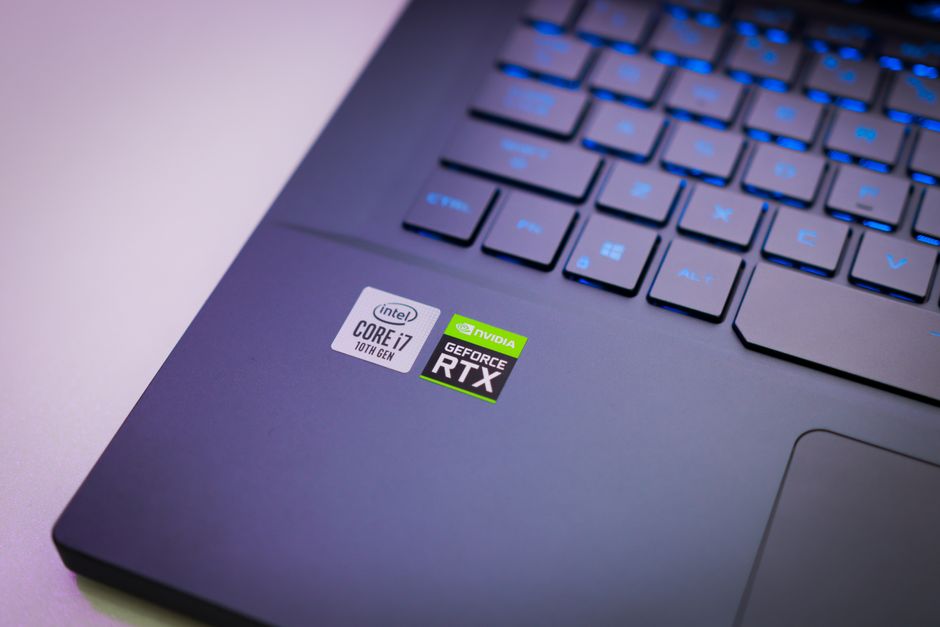
Orders went live this week on the first wave of Nvidia RTX Spark laptops: Microsoft’s Surface Laptop Ultra plus machines from HP, Lenovo, Asus, and Dell, with entry pricing at $2,599. That is a real product category now, not a keynote slide. It is also a category whose pitch rests almost entirely on something you have to go find yourself.
The pitch is local AI. Run models on the machine, keep your data off someone else’s GPU, stop paying per token. I believe in that direction. I don’t believe most buyers of a $2,599 laptop are going to do it, and nothing in this launch changes that.
The best Surface Microsoft has made, running the same Windows
Tom’s Hardware came away from the Surface Laptop Ultra genuinely taken with the hardware, calling it Microsoft’s most beautiful laptop ever. Then the review lands on the part that matters: using Windows on it is the same as ever. The RTX Spark silicon doesn’t change the operating system you stare at all day. It changes a ceiling you will only hit if you deliberately go looking for it.
That is a strange thing to sell. Nvidia and Microsoft have shipped a machine where the headline feature is inert until the owner installs a local inference stack, picks weights, and figures out quantization. The review’s conclusion is blunt about who benefits: AI enthusiasts. Everyone else is buying a very nice Windows laptop at a price that includes a tax for hardware they won’t exercise.
The software gap is the whole story
I don’t think the fix is more TOPS. The fix is tooling that makes local models the default path instead of a hobby project. Right now the good local experiences live in third-party apps, and the people running them were going to run them on a desktop with a discrete card anyway. A laptop buyer who wants a chatbot opens a browser.
So the honest way to shop these machines is to ignore the branding and ask whether the laptop is worth the money as a laptop. By that measure the Surface Laptop Ultra apparently holds up, which is more than Microsoft could say about some recent Surfaces. The HP, Lenovo, Asus, and Dell entries will sort themselves out on the usual axes: keyboard, screen, thermals, battery, how loud the fan gets when you compile something.
If you already run models locally, the calculus flips completely. A capable mobile machine that handles a decent-sized model without a network round trip is the thing a lot of developers have wanted for two years, and $2,599 is not an unreasonable entry for it. That is a small audience buying a mass-market form factor, which is an odd way to launch a platform but not a bad way to seed one.
The interesting number will be how many of these ship to people who never load a single local model. Nvidia won’t publish it.