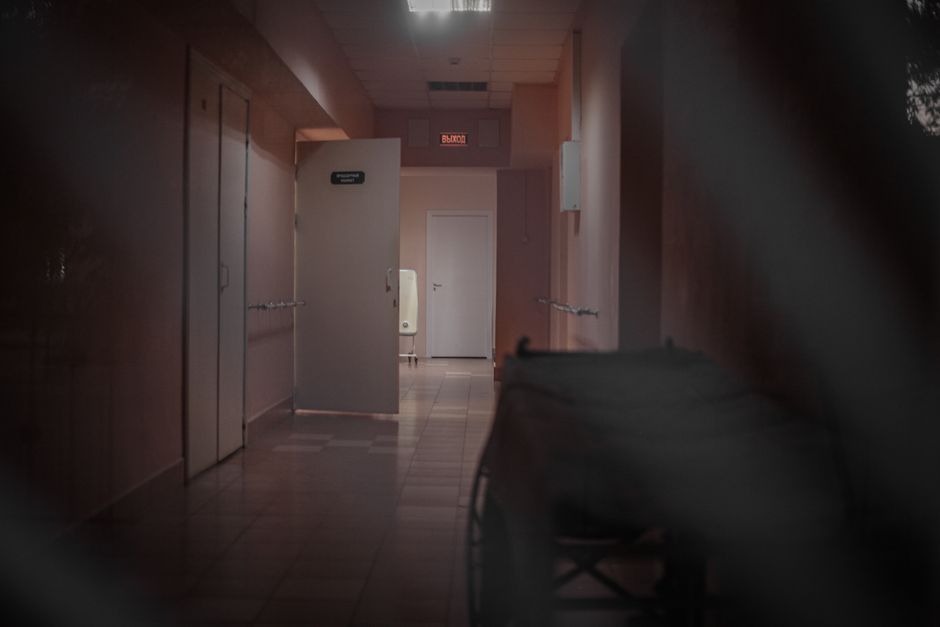
Silent Hill producer Motoi Okamoto told press this week that Konami is “currently looking at a number of projects” beyond the current slate, framing the future of the series in terms of a second and then a third wave of games. Read that as good news if you want more Silent Hill. Read the word “wave” again if you want more good Silent Hill.
The revival worked because it was strange
Konami’s comeback did not run on volume. It ran on odd pairings that nobody would have greenlit from a franchise roadmap. Bloober Team, a studio with a mixed reputation at best, got handed Silent Hill 2 and turned in a remake that sold over a million copies inside its first three days. Silent Hill f moved the whole thing to 1960s rural Japan, hired a visual novel writer, and committed hard enough to the bit that it alienated some of the people it was supposed to please. That was the point.
Those decisions look like one company making specific bets on specific creative teams, one project at a time, with a lot of silence in between. The silence mattered. Silent Hill spent roughly a decade mostly dormant, and the dormancy is part of why the return landed at all.
Waves have a release calendar attached
A wave is a publishing structure. It implies slots to fill, dates to hit, and a reason to say yes to a pitch because the gap exists rather than because the pitch is good. Konami already has a working example of what that produces: Silent Hill: Ascension, the 2023 interactive streaming experiment, which arrived looking exactly like something built to occupy a space on a slide. And Silent Hill: Townfall, announced back in 2022 with No Code and Annapurna attached, still hasn’t shipped. The existing slate isn’t even clear yet.
Horror is also the genre least able to absorb a steady drip. Dread depends on unfamiliarity. Resident Evil survives annual-ish output because it can pivot to action when it needs to; Silent Hill has no such escape hatch. Its appeal is slow, specific, and fundamentally hard to schedule. Three waves of it risks turning the fog into set dressing.
There is a version of this that works, and Okamoto’s own comments hint at it. He’s described the approach as giving teams room rather than enforcing a house style, and the two most recent releases back that up: different studios, different countries, different ideas about what the series even is. If “second wave” means Konami keeps finding unlikely developers and letting them be weird, fine. If it means a cadence, the series gets worse in a way that will take years to show up in the sales numbers and about one bad game to show up everywhere else.
Konami has not said how many projects “a number” is, which teams are attached, or whether any of them have a release window. Okamoto’s framing was years, plural, for the next wave alone.