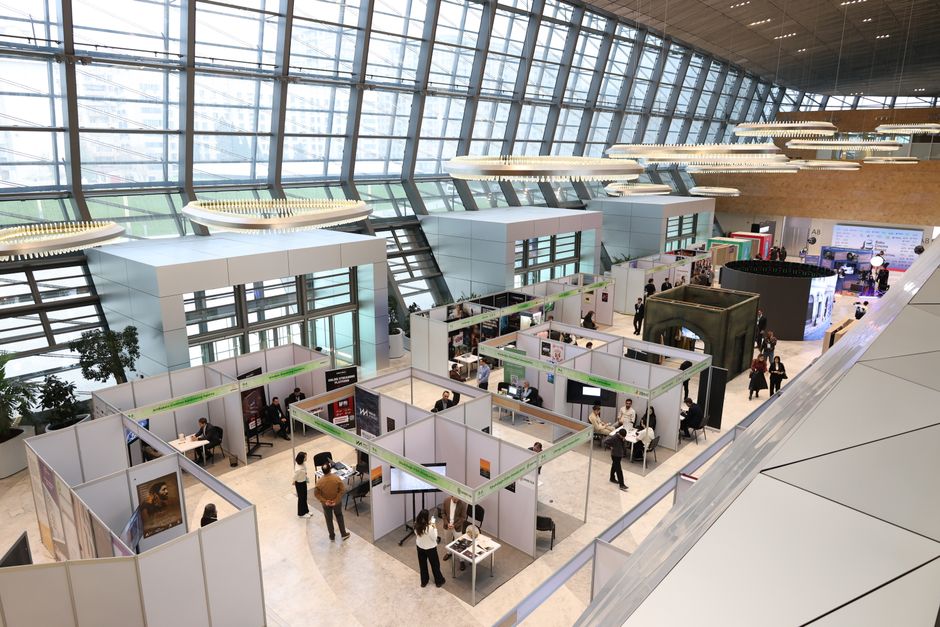
TechCrunch has published its founder and investor guides to Disrupt 2026, which kicks off October 13 in San Francisco. The pitch is unusually specific this year. Not “the future of AI,” not “what’s next,” but a single organizing question: how do you build an enduring company in the AI era? The programming and the speaker lineup are both shaped around it.
That word choice is doing a lot of work. Enduring is not a growth word. Enduring is what you ask about after you’ve already watched a few things fail to endure.
Conference themes are a rear-view mirror, and that’s fine
Nobody picks a conference theme from the leading edge. These lineups get locked months out, which means the theme reflects what organizers believe the room will already be worried about by the time it convenes. In 2023 the room wanted to know what a foundation model was. In 2024 and 2025 it wanted to know how to get one into a product and raise against it. Framing the whole event around durability in 2026 means TechCrunch is betting the room has moved past “can we build this” and landed on “will any of this still be here in five years.”
I think that bet is correct, and overdue. A huge share of the AI companies funded in the last three years are thin layers on somebody else’s model, with gross margins that move whenever a provider changes its price list. That’s not a company, it’s a position. The durability question is the one those founders have been avoiding in public and asking in private.
The investor guide is the more revealing document
The founder guide sells access: stages, programming, a reason to be in the building. Standard. The investor guide sells something subtler, the case that you need to be physically present, walking Expo Halls, meeting founders, learning from other investors. That argument only needs making when the alternative looks viable. For two years, deal flow in AI has been a function of warm intros and fast moves, not floor time at a conference.
Pitching investors on showing up in person reads as a bet that pattern-matching from a distance has stopped working. If every deck says the same three things about agents and moats, the differentiation happens in conversation, not in the memo.
What I’ll actually be watching for
Two things. First, whether “enduring” gets defined with any teeth on stage, or whether it dissolves into the usual vocabulary about moats and defensibility that means nothing in particular. Second, how founders handle the margin question when asked directly in front of an audience. That answer is hard to rehearse.
Conferences do not change industries. They do reveal what an industry has agreed to stop pretending about. The thing worth noting here is that a show literally named Disrupt has built its 2026 program around staying power, and the doors open tomorrow.