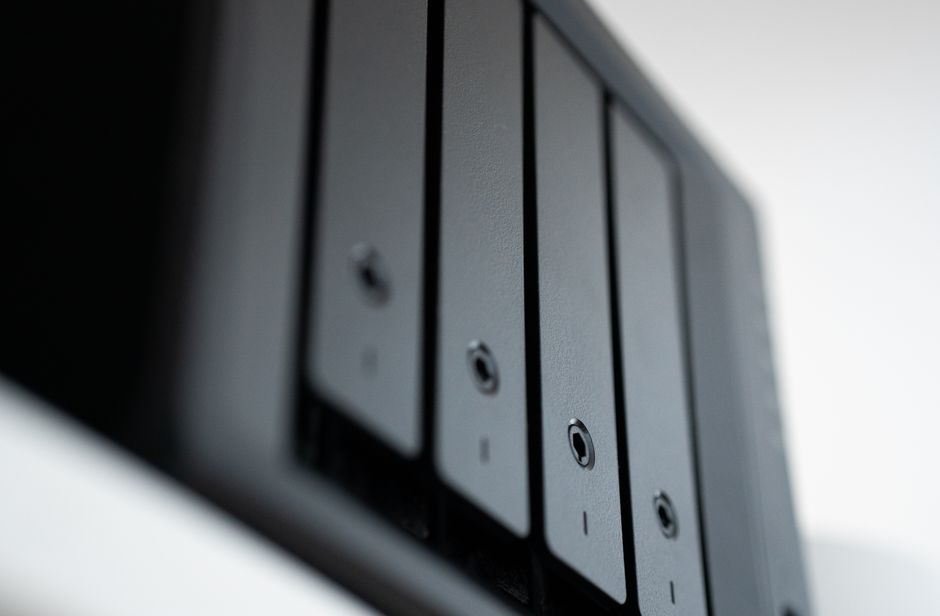
Ugreen makes power banks. Good ones, cheap ones, the kind you buy on a Tuesday because the old one died. It also makes NAS boxes, which is the part that matters here. This week at IFA the company announced HomeAgent, a smart home platform built on three hubs that handle camera storage, on-device AI, and home control without shipping your footage to somebody else’s data center. The top hub runs on Nvidia’s Jetson Thor and costs $20,000.
That number is not a typo and it is not a product. It’s a demo with a price tag attached, the way carmakers put a hypercar on the show floor so you feel better about the sedan. Jetson Thor is a robotics compute module. Putting one in a living room appliance and asking twenty grand for it is a claim about ambition, not a bet on sales volume. Ugreen knows almost nobody is buying it. The point is that you now think of Ugreen as a company that could build it.
The storage angle is the actual business
Strip out the flagship and what’s left is genuinely interesting. Local camera storage has been the quiet pain point in smart homes for years. Every cloud camera company eventually discovers that hosting video is expensive, and the fix is always a subscription. Ugreen already sells the hardware that stores things. Bolting inference onto a NAS so the box can tell a delivery driver from a raccoon without a monthly fee is a coherent product, and it’s the one Ugreen is actually positioned to sell.
The privacy pitch writes itself, which is why I’d treat it carefully. “Local AI” is now a marketing category, and plenty of devices that process on-device still phone home for accounts, updates, and telemetry. Nobody should assume airgapped behavior from a press release at a trade show.
The failure mode isn’t compute
Smart home platforms don’t die because the silicon was too slow. They die because the company loses interest. Ask anyone who bought into Wink, or Insteon, or any of the half-dozen hubs that turned into paperweights when a server got switched off. Ugreen is a hardware accessories company entering a category that has eaten better-funded companies whole, and its credibility here depends entirely on whether HomeAgent still gets firmware in 2029.
Local processing helps with that, at least in theory. A hub that does its thinking on-device degrades less badly when the parent company walks away. Whether Ugreen’s integrations, app, and camera pipeline survive without cloud services is the thing worth testing, and nothing at IFA answered it.
Three hubs, one of them priced at $20,000. Ugreen hasn’t said when the cheaper ones ship.