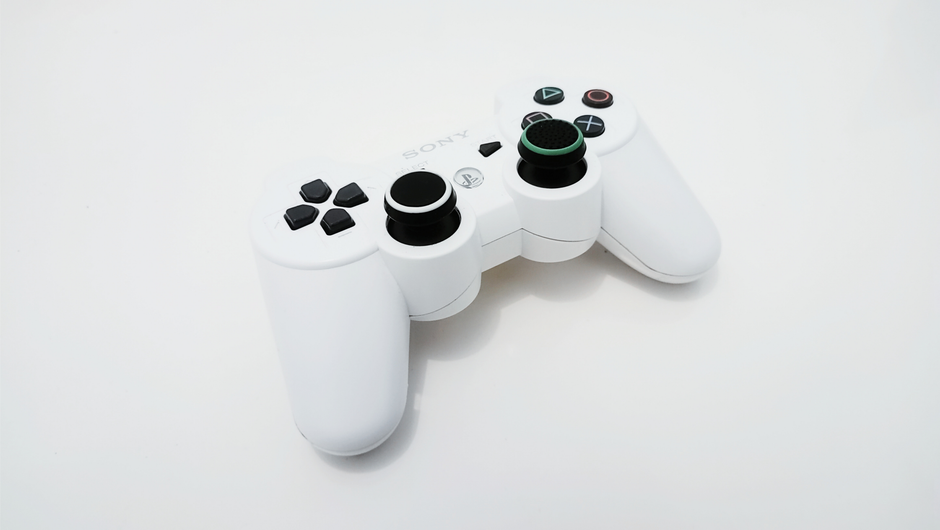
Eighteen years is a long time for a game to sit on one box. Metal Gear Solid 4: Guns of the Patriots shipped in June 2008, ran on the PlayStation 3 and nothing else, and stayed there. The Cell processor got the blame, and that was fair. Kojima Productions built the thing around hardware nobody else copied and Sony spent the next generation quietly abandoning.
Now it’s the headline act of Master Collection Vol. 2, and the roundup is warm. Polygon’s verdict is that there will never be another game like it. PC Gamer calls this the new best way to play Kojima’s strangest sequel. Both are right, and both are conceding something about 2008 that the original discourse fumbled.
”Divisive” mostly meant “too many cutscenes”
The knock on MGS4 was never that it played badly. Old Snake’s control scheme was the most flexible in the series to that point, and the war-zone acts still work. The complaint was ratio: an hour of cinema for every stretch of stealth, an ending that keeps going long after you assume it’s done, exposition delivered in monologues that would embarrass a novel.
That critique made sense when the medium had almost no vocabulary for long-form authored pacing. It makes much less sense after Death Stranding, after the walking sims, after a decade of games that treat player patience as material to work with rather than a resource to spend carefully. MGS4 was doing prestige-TV pacing before anyone had a name for it, and it took the beating that comes with being early.
The part worth watching is Konami’s port record
Master Collection Vol. 1 landed in 2023 to real anger. The PS2-era games went out at 720p on multiple platforms, with visible frame pacing problems and few options, sold at a price that assumed goodwill Konami hadn’t earned. Fixes came, but by patch, after the reviews.
So the praise for Vol. 2 counts for more than usual. MGS4 is a genuinely hard porting job. Its Cell-specific rendering work is exactly the sort of thing that gets a game declared unportable for a decade, and by the accounts so far it’s running on modern machines without embarrassing itself. Konami spent years telling people MGS4 couldn’t move. It moved.
The preservation argument is the strongest thing here. A tentpole entry in one of gaming’s most influential series was, until now, playable only on a console that stopped being manufactured in 2017 and whose disc drives and internal batteries are failing in the field right now. No streaming workaround, no PS Plus classics slot, nothing. Its absence was the largest hole in the mainline series, and anyone who wanted to understand where the franchise went after MGS3 had to take it on secondhand description.
Whether MGS4 is good was never the interesting fight. It’s a strange, self-indulgent, technically extraordinary game that spends its last hours explaining itself to death, and it is completely singular. Nobody is greenlighting that in 2026. What’s testable is the port, and Vol. 1 is the reason to check before buying rather than after.