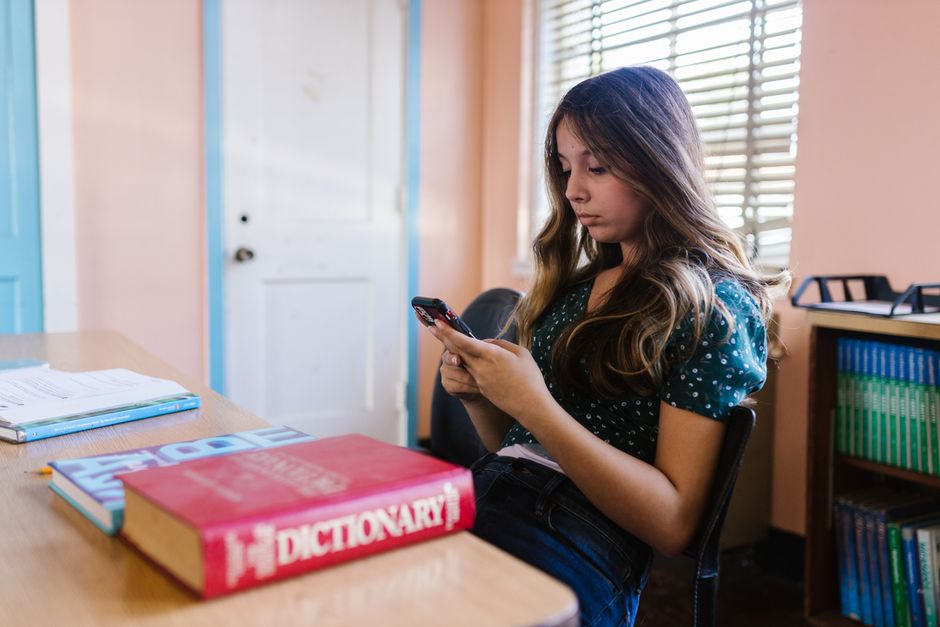
OpenAI is rolling out ChatGPT for Teens, a dedicated mode that gathers existing youth safeguards and some new ones into a single labeled experience. There are age-appropriate content limits, parental controls, and learning tools meant to nudge teens away from harmful material and away from using the chatbot to do their homework for them.
Good. Also: this should have shipped in 2023.
The product that was already being used
ChatGPT did not gradually discover a teen audience. Teenagers were early, heavy, obvious users from close to the beginning, and everyone in the industry knew it. School districts started banning and unbanning it. Teachers rewrote assignments around it. The behavior OpenAI is now designing guardrails for has been the dominant teen use case for years.
What changed isn’t the user base. It’s the pressure. The launch lands in the middle of sustained public scrutiny over how AI tools affect younger users, with other platforms rolling out their own age checks and teen-specific protections on similar timelines. When a whole sector reaches for the same safety feature in the same quarter, that’s usually regulators and lawsuits doing the scheduling, not product roadmaps.
Age checks are the whole ballgame
A teen mode is only as good as its ability to know it’s talking to a teen. That’s the part nobody has solved well. Self-reported birthdays are a joke. Behavioral age estimation is a guess that gets things wrong in both directions, and getting it wrong in the direction of “adult” is exactly the failure that matters here. Hard ID verification works, but it means collecting government documents from minors, which creates a different problem people will rightly hate.
So the interesting question isn’t whether the safeguards are well designed. It’s what fraction of actual teenage users ever land inside them. A 15-year-old who typed 1998 into a signup form two years ago is not going to volunteer for a more restricted product. The parental controls only bind teens whose parents know the account exists.
The homework thing is a strange fit
Bundling academic-integrity nudges with self-harm and harmful-content protections is a category error, even if it’s a commercially smart one. Cheating is a school policy problem. Content that hurts a kid is a safety problem. Putting them under the same banner makes the safety work read as partly reputational, aimed at winning back the school administrators and parents who spent three years treating ChatGPT as an adversary.
That pitch may work. Districts want an approved option, and “we have a teen mode” is easier to defend at a board meeting than a blanket ban that students route around with their phones.
What OpenAI hasn’t said is how it plans to find the teens already inside adult accounts, or whether existing users will be re-screened at all.