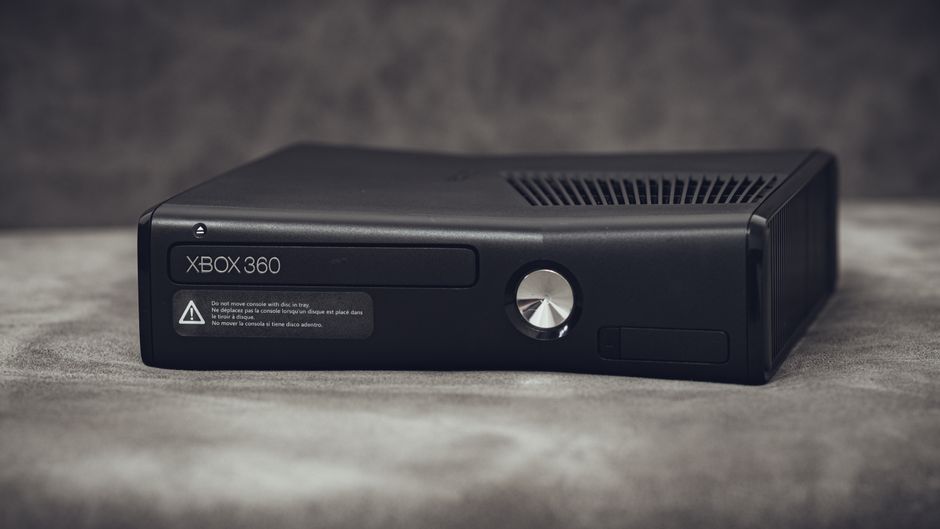
A document Microsoft recently sent to developers — viewed by The Verge, and picked up this week by Eurogamer, PC Gamer and Rock Paper Shotgun — indicates the company plans to let developers bring their Xbox 360 games to PC as part of an ongoing backwards compatibility push. The rollout is described as gradual, expected somewhere in the 2027–2028 window.
That’s the whole factual core, and it’s worth being upfront about how thin it is. No list of titles, no confirmation of how it works technically, no公 pricing model. What makes it interesting isn’t the feature. It’s the timeline and the direction of travel.
The direction matters more than the date
For most of the last decade, Xbox backwards compatibility was a console-shaped asset. It was the reason to own the box: your 360 library followed you forward, and that continuity was a retention mechanism. Pointing that same capability at PC inverts the pitch. The library stops being a reason to buy hardware and becomes a reason to stay inside Microsoft’s storefront and account system, wherever you happen to be sitting.
That is consistent with everything else Microsoft has done recently — publishing to rival platforms, pushing Game Pass as the durable product, treating the Xbox brand as a service layer rather than a plastic box. Xbox 360 games on PC is that strategy applied to a back catalogue that has been quietly aging out of relevance since the 360 store shuttered.
Why 2027 is the real story
A two-to-three year runway for a feature Microsoft has been iterating on since 2015 tells you this isn’t a switch to flip. PowerPC emulation on x86 is genuinely hard, and the existing console-side solution doesn’t port over for free. The phrase “bring their games” is doing heavy lifting too — it implies per-title developer opt-in and effort, not a blanket library unlock.
That’s the catch worth flagging early. Publisher opt-in models tend to produce uneven catalogues. The games most likely to make the jump are the ones with a living rights holder and a commercial reason to bother. The genuinely at-risk stuff — licensed titles, delisted games, studios that no longer exist — is exactly what an opt-in system leaves behind. Preservation-by-storefront has never worked well, and there’s no indication this changes that.
The context nobody should skip
RPS framed the news alongside Microsoft’s recent mass layoffs and reported Israeli military links, and that framing is fair rather than gratuitous. A roadmap promise dated 2027 is being made by a company that has repeatedly restructured the teams responsible for delivering roadmap promises. Enthusiasm should be calibrated accordingly.
Where this leaves things
If it lands, it’s good. A large slice of a genuinely great console generation becoming playable on hardware people already own is worth wanting. But this is a leaked internal document describing intent, not a product announcement, and the gap between those two things at Microsoft has been wide lately. Treat it as a signal about strategy — the console is no longer the point — and wait for a title list before getting excited.