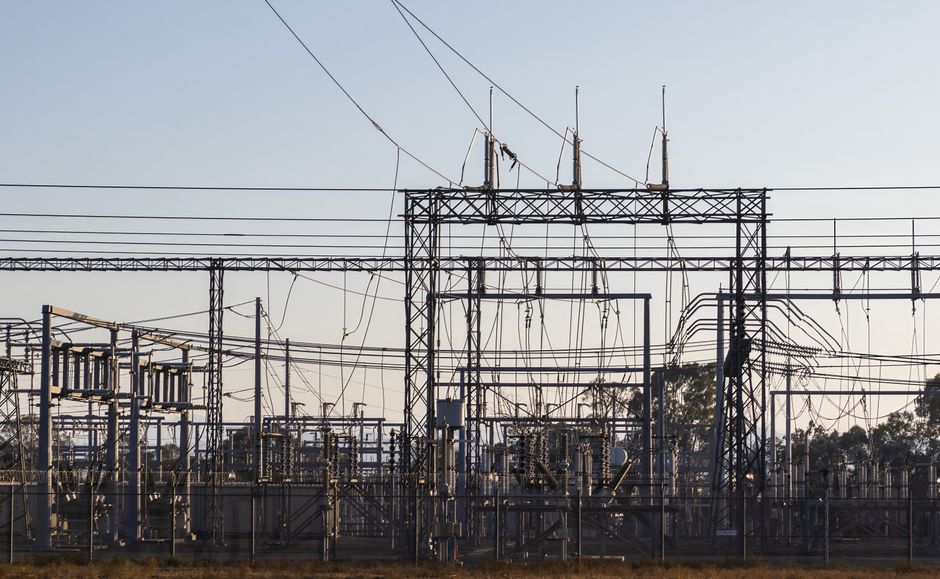
Texas has spent the better part of a decade selling itself as the path of least resistance for anyone who needs a lot of electricity in a hurry. Cheap land, a self-contained grid, and a regulator that doesn’t ask many questions. It worked. The state now hosts more than 500 data centers, and the queue of new interconnection requests has reportedly climbed past 400 gigawatts.
That number is the whole story. Governor Greg Abbott’s Monday directive to the Public Utility Commission of Texas and ERCOT — verify and audit new data center proposals before they connect — reads on the surface like a brake on the AI buildout. It’s closer to an admission that ERCOT can no longer tell which of these projects are real.
The Queue Is Not a Forecast
Interconnection queues are notoriously inflated. Filing a request is cheap; building a gigawatt-scale campus is not. Developers routinely file in multiple locations for the same project, hedging on which site clears fastest, then abandon most of them. Speculative applicants file to secure a position they can later flip. The result is a queue that behaves less like a construction pipeline and more like a list of options nobody intends to exercise.
The problem is that ERCOT has to plan against it anyway. If you can’t distinguish a funded hyperscaler campus from a shell LLC with a land option, you either over-build transmission for demand that never materializes — and stick ratepayers with the cost — or you under-build and get caught short. An audit is the cheapest available tool for separating the two. Ask for proof of financing, equipment orders, signed offtake. Most of the 400 gigawatts should evaporate on contact.
What This Actually Costs the AI Industry
For serious operators, the audit is friction, not a wall. Companies with capital committed and turbines on order can document it. The delay is measured in review cycles, not project cancellations.
The squeeze lands on the tier below: developers who were racing to lock in interconnection before scrutiny arrived, betting they could line up tenants and financing later. That model just got materially harder in the most permissive large market in the country.
There’s a broader signal here worth sitting with. Texas was the jurisdiction that competed on speed. If even Texas is now gatekeeping on grid impact, the assumption that compute capacity can be sited wherever power is cheapest and questions are fewest is weakening. Ohio, Georgia, and Virginia have already been renegotiating the terms — cost-allocation fights, special rate classes for large loads, moratoriums in some counties.
The Uncomfortable Part
An audit tells you which projects are credible. It doesn’t tell you where the electricity comes from. Even a heavily discounted queue — say a tenth of the headline figure — implies load growth that ERCOT’s generation buildout is not obviously positioned to absorb, on a grid with a well-documented history of failing under stress.
Filtering the queue is the easy problem. Powering what survives it is the one nobody has solved.