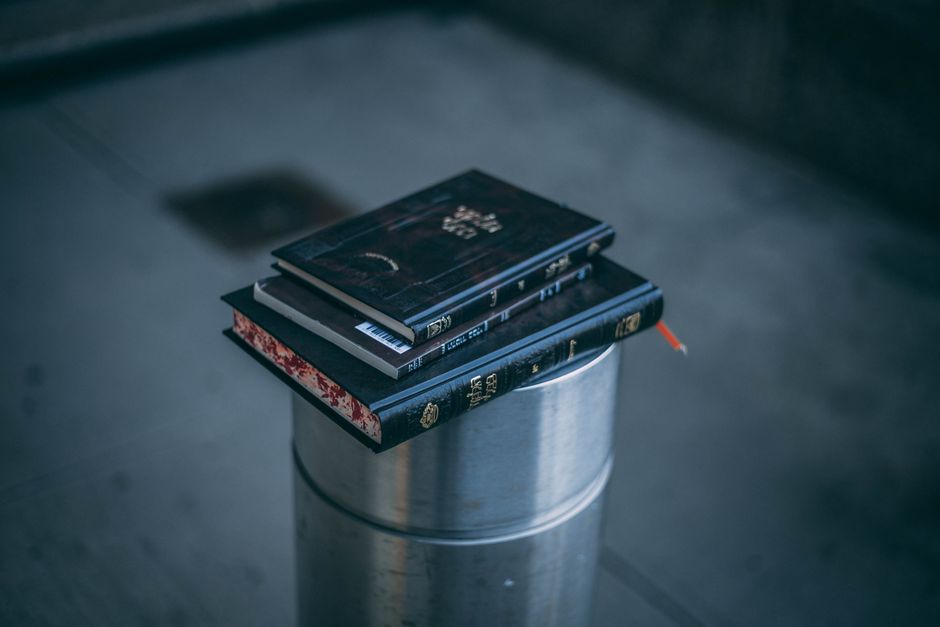
Buried in the press cycle for Silent Hill f is a detail that says more about the state of narrative games than any trailer could. Producer Motoi Okamoto told outlets that the game’s scriptwriters “pressured each other” to read between 100 and 200 books a year during development — partly to absorb the style and quirks of the game’s lead writer, visual-novel veteran Ryukishi07 (of Higurashi fame).
Cue the collective sigh of every developer who’s ever been handed an impossible sprint. Two books a week, minimum, on top of shipping a AAA horror game? That’s not a reading list, that’s a second job. And yet it’s worth taking seriously rather than dunking on.
Why a reading quota is a design decision
Horror is the genre where writing carries the most weight and gets the least budget respect. You can’t jump-scare your way to dread — the atmosphere that made the original Silent Hill games canonical came from tone, restraint, and a specific psychological literacy. Okamoto’s framing suggests the studio understood that you cannot out-engineer a thin script. If you want writers who can match a distinctive author’s voice, you have to marinate them in text until the voice becomes reflexive.
The detail about matching Ryukishi07 specifically is the tell. This wasn’t self-improvement for its own sake; it was a deliberate effort to build a shared literary vocabulary so a team could write cohesively in one auteur’s register. Reading became a calibration tool, not a hobby.
The KPI nobody should copy literally
Here’s where skepticism earns its keep. “Read 200 books a year” is the kind of line that sounds inspiring in an interview and toxic in a standup. Taken at face value, it’s a recipe for skimming, burnout, and performative page-counting — the literary equivalent of measuring engineers by lines of code. Okamoto’s own phrasing (writers “pressured each other”) hints this was peer culture rather than a mandate, which is healthier, but peer pressure at that intensity has its own failure modes.
The honest reading is that the number is theater and the intent is the real signal. Studios love a quantifiable flex because it’s tweetable; “we cultivated a deeply-read writers’ room” doesn’t trend the way “200 books” does.
What it says about the industry
The broader takeaway is that the games worth caring about are increasingly the ones treating writing as a craft with prerequisites, not a layer applied at the end. In an era where studios are pitching AI to generate dialogue and shave narrative headcount, a team bragging about how much its humans read is a quiet counter-argument. Whether Silent Hill f earns that ambition is a question for the final game — but the process, at least, is pointed in the right direction.