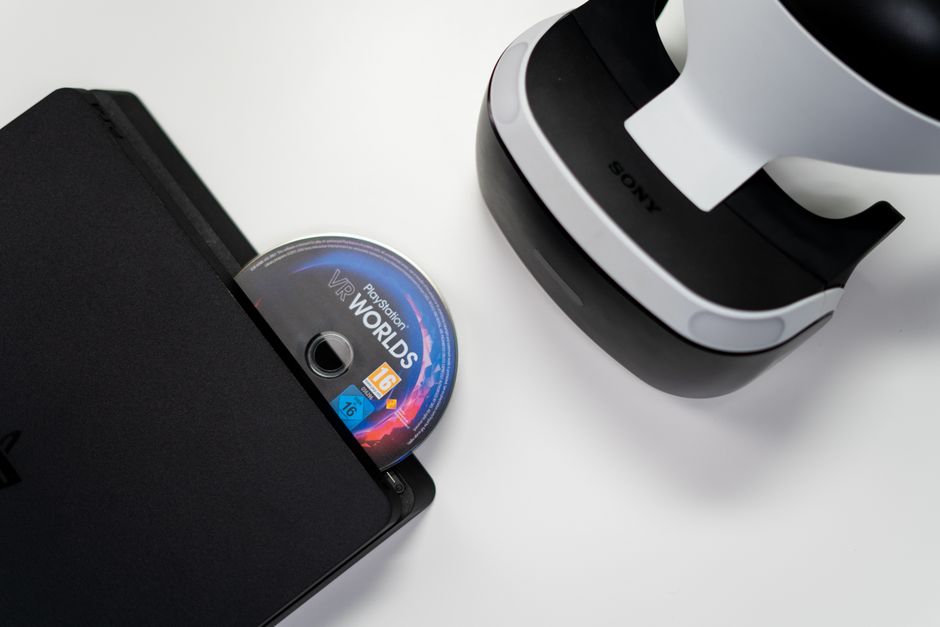
Hideo Kojima has never been shy about turning industry news into philosophy, and Sony’s reported plan to end physical PlayStation disc production has given him a fresh sermon. The Death Stranding and Metal Gear Solid director says the shift left him “really sad,” and warned that a world without media ownership carries “frightening” possibilities. It’s easy to file this under auteur sentimentality. It’s harder to dismiss once you follow the argument to its conclusion.
The Real Issue Isn’t Nostalgia
Strip away the reverence for the object — the case, the disc, the ritual of a shelf — and Kojima’s core point is about ownership. A physical disc is a thing you hold. A digital license is permission that can be revoked. When production of discs ends, the fallback disappears with it: no resale, no lending, no library that survives a delisted store or a dead server. The consumer stops being an owner and becomes a long-term renter who paid full price.
That’s the “frightening” part, and it’s not paranoia. The industry has already run this experiment. Storefronts have shuttered, games have been pulled after purchase, and buyers have watched titles vanish from libraries they thought were permanent. Kojima is a preservation obsessive by temperament — his games are stuffed with references to films and media that risk being forgotten — so it tracks that the erasure of a whole distribution format would rattle him.
Sony’s Logic vs. The Culture’s Cost
From Sony’s side, the math is unsentimental. Digital sales carry higher margins, no manufacturing, no shipping, no retail cut. The disc drive is already an optional add-on on the PS5. Killing physical media is less a betrayal than the last step of a decade-long drift the market itself has rewarded by buying digital.
But Kojima is drawing a line between what’s efficient and what’s healthy. Digital-only concentrates power with the platform holder: pricing, availability, and permanence all become decisions made in a boardroom rather than facts guaranteed by a plastic disc in a drawer. Game preservation — already a quiet crisis, with a large share of history commercially unavailable — loses its most durable backstop.
Why It Matters Beyond Games
The honest read is that Kojima is late to a fight that’s mostly lost, and he’d probably agree. Discs were dying regardless. What he’s actually doing is naming the trade so we make it with open eyes. Convenience is real. So is the quiet transfer of control from the person who paid to the company that collects.
You don’t have to romanticize plastic to take the warning seriously. The question isn’t whether we’ll miss discs. It’s whether, once the format is gone, we’ll have any leverage left to demand that a purchase still means something.