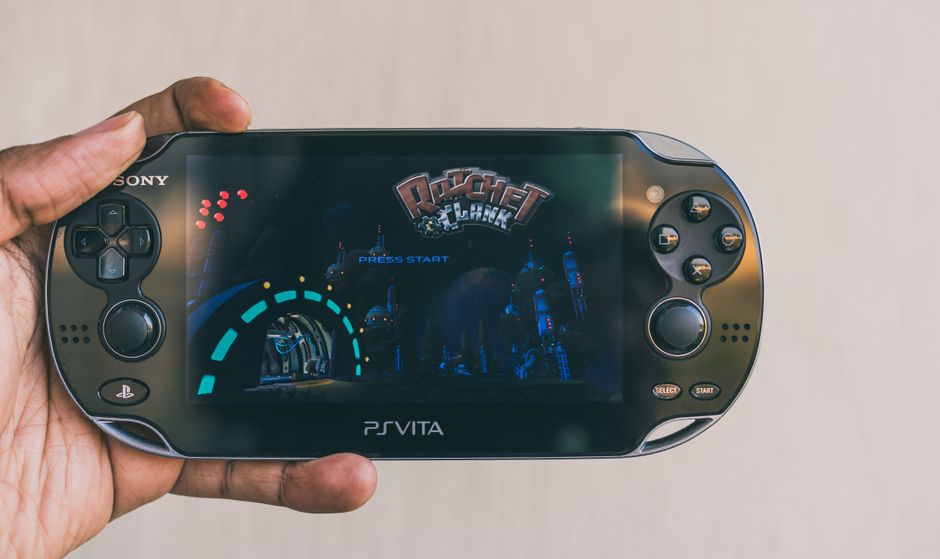
Sony has confirmed that the PlayStation Store will stop taking new purchases on the PlayStation 3 and PS Vita, with support ending globally by July 2027. It is not a clean, single-date switch-off. Some countries lose access much sooner — in select markets the storefront closes as early as next month — while the majority coast to the 2027 deadline. The message is the same either way: the buying window on two beloved legacy platforms is closing.
A shutdown on a sliding scale
The staggered approach is the detail worth watching. Rather than pulling the plug everywhere at once, Sony is switching off regions on a schedule, which means a Vita owner in one country could lose the ability to buy games months or even years before someone across a border. For a company managing storefronts across dozens of territories, phasing it out is operationally tidy. For players, it turns “you have until 2027” into a patchwork of deadlines that many will only discover after the fact.
It is worth being precise about what is ending. This is the closure of new purchases — the checkout, not necessarily the whole platform. Sony previously walked back a more aggressive 2021 plan to shut these stores entirely after fan backlash, so the current, gentler timeline reads as a compromise: keep the lights on for re-downloads and previously bought content while quietly closing the till.
The digital ownership problem, again
Every one of these announcements lands on the same nerve. When you buy a digital PS3 or Vita game, you are buying a license tethered to a platform whose lifespan the platform holder controls. Once the store closes, anything you never bought becomes effectively unobtainable through legitimate channels — no last-minute purchases, no gifting, no filling gaps in a collection. The Vita stings most here, because its library includes indie darlings and Japanese releases that never made the jump to newer hardware.
This is where preservation advocates have a point the industry keeps sidestepping. Storefront closures don’t just inconvenience nostalgic buyers; they quietly delete commercial availability for games that may have no other legal home. When the only way to experience a title becomes a secondhand cartridge or an emulator, the medium’s history gets harder to access by design.
What players should actually do
The practical takeaway is unglamorous but urgent: check your region’s specific date, not the headline 2027 one. If there are Vita or PS3 games you have been meaning to grab, the safe assumption is that your personal deadline is earlier than you think. Download everything you already own to local storage while the servers still serve it.
Sony is not doing anything unusual for hardware this old — storefronts for dead consoles always close eventually. But the drawn-out, region-by-region exit is a reminder that a digital library is only as permanent as the company hosting it decides to make it.