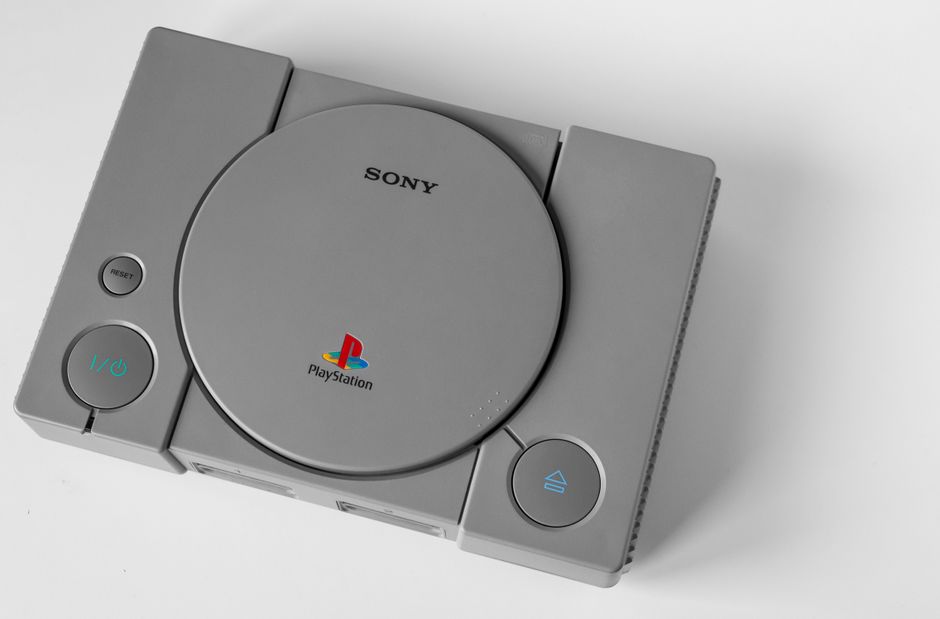
Sony has drawn a line in the sand: starting January 2028, it will stop producing physical discs for new PlayStation games. The company frames this as following “consumer preferences,” and the numbers back that story — digital sales have dominated PlayStation revenue for years. But the framing is doing a lot of work here, and it’s worth pulling apart what this actually means versus how it’s being sold.
What’s actually changing
The headline sounds apocalyptic — IGN went with “Sony Just Killed Discs” — but the mechanics are more nuanced. Games will still appear on retail shelves; they just won’t have a disc inside. Expect download-code boxes, the same hollow packaging that already fills a growing share of store pegs. Existing discs keep working, and Sony isn’t (yet) bricking anyone’s collection.
The more consequential read is what this signals about hardware. If there are no new discs to play by 2028, a disc drive on the next console becomes dead weight. The near-universal conclusion across outlets is that PlayStation 6 will ship digital-only — no drive, no option, likely not even the detachable add-on Sony sold for the PS5.
The ownership question nobody’s answering
Here’s where the “consumer preferences” line deserves scrutiny. Consumers preferring digital convenience is not the same as consumers preferring digital terms. A disc is a transferable, resellable, lendable, delisting-proof artifact. A digital license is none of those things — it’s revocable, tied to an account, and gone if a storefront decides a game should vanish.
Sony has been on both sides of this. It once tried to claw back purchased content, reversed course after backlash, and now benefits enormously from a model where the secondhand market simply ceases to exist. Killing discs doesn’t just cut manufacturing and logistics costs; it eliminates the used-game economy that has undercut publisher margins for decades. That’s not a footnote to this decision — it may be the point.
Why 2028, and what it pressures
The timeline is the tell. 2028 lines up neatly with a next-gen launch window, letting Sony retire discs and introduce driveless hardware in one motion rather than two awkward steps. It also leaves Xbox and Nintendo in an interesting spot: Microsoft has flirted with all-digital SKUs for years, while Nintendo’s Switch line still leans on cartridges. Sony moving first gives the whole industry cover to follow.
For preservationists, collectors, and anyone in regions with unreliable internet or bandwidth caps, 2028 is a countdown clock. The disc was never just a delivery method — it was the last piece of console gaming you actually owned. Sony is betting most players won’t miss it. They’re probably right. That doesn’t mean they should be.