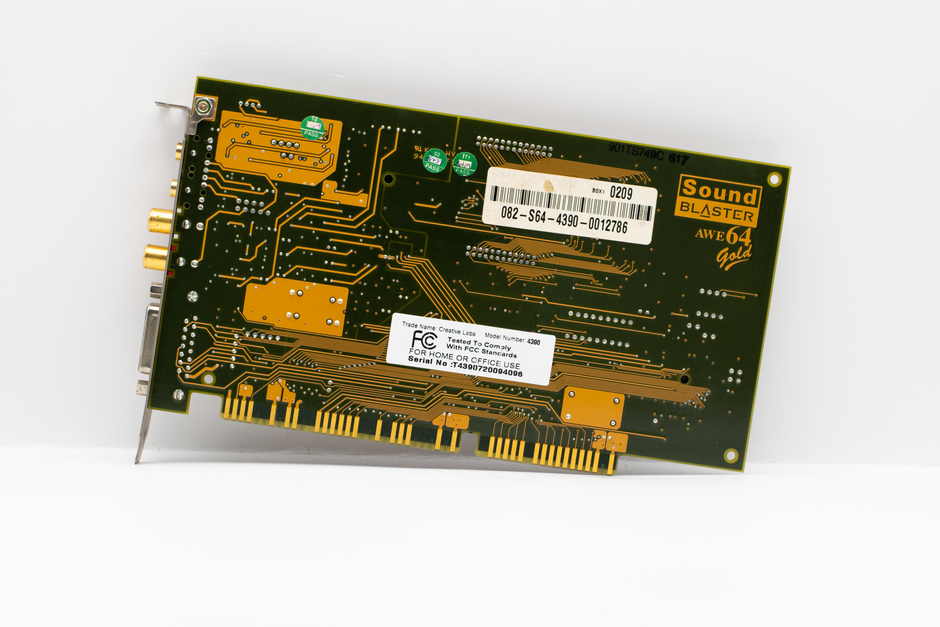
Robert Prince III — Bobby Prince to anyone who grew up with a Sound Blaster — has died at 81. Reports from PC Gamer, Eurogamer and Engadget all converge on the same outline: the composer behind Doom, Wolfenstein 3D and Catacomb 3-D is gone, and a very specific slice of PC gaming history goes with him.
The tributes lean, understandably, on Doom. That’s the headline credit, the one non-gamers half-recognise from a thousand metal covers on YouTube. But focusing on a single soundtrack undersells what Prince actually did. He didn’t just score a game. He calibrated the emotional grammar of an entire genre at the exact moment it was being invented.
A sound engineered for constraints
Prince was working inside brutal limits. Early-90s PCs delivered music through FM synthesis on AdLib and Sound Blaster cards, or through General MIDI if you were lucky enough to have a Roland. There were no streamed guitars, no live drummers, no orchestras. Every “riff” in Doom is a stack of synthesized approximations triggered by a sequencer, tuned by someone who understood that the listener’s brain would do most of the heavy lifting.
That constraint is why his work aged so well. A pre-rendered audio track from 1993 sounds like 1993. A MIDI file, re-rendered today through a modern soundfont or a fan’s guitar rig, sounds like whatever year you load it in. Prince wrote compositions, not recordings — and compositions travel.
The tonal default he set
Listen to almost any shooter score from the last thirty years and you can hear Prince’s fingerprints: palm-muted aggression for combat, ambient dread for exploration, a willingness to lean openly on metal and hard rock instead of orchestral pomp. Wolfenstein 3D’s marching menace, Doom’s headbanging propulsion, Catacomb 3-D’s pulpier moods — together they argued that first-person shooters should sound like the music their target audience already listened to in their bedrooms.
That seems obvious now. It wasn’t in 1992. The prevailing assumption was that “serious” game music meant pseudo-cinematic strings. Prince and id Software bet the other way, and the bet defined the genre’s audio identity through Quake, Half-Life, Halo, the modern Doom reboots — even when those games hired metal acts or full orchestras, they were chasing a vibe Prince had already named.
A quieter kind of legacy
Prince was never a celebrity composer in the Uematsu or Zimmer sense. He worked in a corner of the industry that didn’t hand out trophies, on hardware most people now only see in museum displays. His name surfaces mostly when someone digs into the credits of a game they love, or, as this week, when an obituary moves.
But the influence is enormous and slightly invisible, the way infrastructure usually is. Every time a shooter drops into a guitar riff the second the shooting starts, that’s a decision Bobby Prince made first.
He was 81. The riffs outlive him by design.