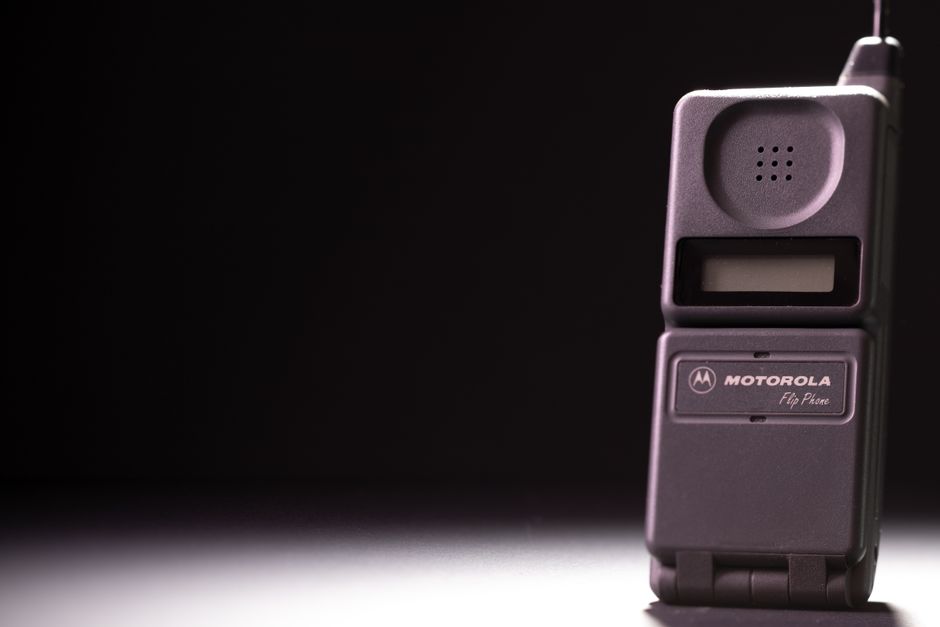
The Commodore name, dormant for decades outside of emulator forums and breadbin memes, is back with something stranger than another retro computer: a phone designed to do less. The Callback 8020 is a Linux-based flip phone starting at $499, available in five retro colorways, that ships without a web browser and with social media apps blocked at the OS level. Commodore is selling it with a tagline that reads less like marketing copy and more like a manifesto — a device “where the customer is not the product.”
The pitch: scarcity as a feature
Dumbphones aren’t new. Light Phone, Punkt, and a small fleet of Nokia revivals have been chasing the same anxiety for years. What Commodore is doing differently is twofold. First, it’s leaning hard on a brand that carries genuine emotional weight for a generation that now has the disposable income to buy a $499 lifestyle phone. Second, it isn’t asking buyers to truly downgrade — the Callback 8020 reportedly runs 99% of Android apps on top of its Linux base. You lose the algorithmic feeds and the infinite scroll, not Maps, not Spotify, not your bank app.
That’s a meaningful distinction. The reason most dumbphone experiments fail isn’t that people love TikTok — it’s that they need ride-share, two-factor codes, and transit tickets. By keeping the app layer mostly intact and surgically removing the attention-economy pieces, Commodore is gambling that the actual addiction surface is narrower than the industry pretends.
Who actually buys this?
At $499, the Callback 8020 is not a budget escape hatch. It’s priced against mid-range Androids and well below a flagship, which puts it squarely in the territory of people making a deliberate purchase, not a default one. The target buyer is almost certainly someone who already owns a capable phone and wants a second device for evenings, weekends, or focused work blocks — the same demographic buying mechanical keyboards and e-ink tablets to feel less owned by their tools.
The retro colorways underline this. Nobody chooses beige-and-rainbow stripes because it’s the most ergonomic option; they choose it because it signals an identity. Commodore is selling a wearable opinion about technology as much as a phone.
The risks
The phrase “the customer is not the product” is doing a lot of work here, and it’s worth pressure-testing. A Linux phone running Android apps still touches Google services for most of those apps to function, and “blocking” social media at the OS level is only as strong as the user’s willingness not to sideload around it. The harder question is software longevity: niche Linux phones have a graveyard’s worth of predecessors that shipped, sold modestly, and then quietly stopped getting security updates.
Still, the framing is sharper than most attempts in this category. Instead of asking people to give things up, Commodore is asking them to pay for things to be taken away — and dressing the trade-off in a logo they already trust.